

A Notable Head‑On Crash Causes Multiple Fatalities in Ventura County
In a tragic freeway collision on March 4, 2026, a head‑on crash on the 23 Freeway in Ventura County left two people dead and three hospitalized with major injuries after one vehicle crossed over the center divider into oncoming traffic, according to California Highway Patrol officers.
Troopers said the crash occurred when a car veered across the barrier, leading to a violent collision that forced multiple vehicles off the roadway and blocked traffic for hours as investigators worked the scene. The injured were transported to nearby hospitals, where they were being treated for serious but non‑life‑threatening wounds.
Crashes like this highlight ongoing concerns about road safety, driver behavior, and the devastating consequences that can result from loss of control on high‑speed highways. For victims and families, such accidents often lead to long legal battles including insurance claims or personal injury actions to address medical costs, lost wages, and other damages.

San Diego Doctor Faces Malpractice Lawsuit Following Prenatal Care Allegations
In a medical malpractice lawsuit filed and reported in late 2025, a Chula Vista, California doctor — who once appeared on the reality TV show The Amazing Race — was sued for alleged negligence in prenatal care at a San Diego County hospital, according to CBS 8. The complaint claims the physician failed to provide proper care during labor and delivery, resulting in harm to the patient and avoidable complications that have led to ongoing medical issues.
According to court filings cited in the news report, the lawsuit seeks damages including medical expenses, pain and suffering, and long‑term care costs linked to the alleged negligence. Advocates note that malpractice suits like this exist to hold healthcare providers accountable when care fails to meet established standards, especially in high‑risk fields like obstetrics where mistakes can have lifelong impacts.
The case underscores the importance of prudent medical practice and patient advocacy in California’s healthcare system. It also serves as a reminder to patients that they have legal recourse when they believe a healthcare provider’s actions may have caused unnecessary harm. Legal experts stress the value of consulting a qualified attorney when considering a malpractice claim, as these cases often involve complex medical and legal standards.

California Jury Hits Liberty Mutual With $103 Million Verdict in Age Discrimination Case
In a landmark employment decision out of Los Angeles in December 2025, a jury awarded $103 million to a former employee who alleged she was subjected to age discrimination, harassment, and retaliation by her employer, Liberty Mutual Insurance Co.. The plaintiff, who had worked at the company for more than 30 years, claimed that after reporting age‑based bias and witnessing a pattern of older employees being pushed out, she was wrongfully terminated shortly after returning from medical leave. The verdict is believed to be one of the largest age discrimination awards in U.S. history.
According to court filings, the former employee was placed on short‑term disability and, upon her return, found her access to company systems deactivated and was fired without a clear reason. Her lawsuit alleged that the company’s stated reasons were pretextual and that her age was a factor in adverse employment actions. Jurors sided with her on claims under California’s Fair Employment and Housing Act, finding the insurer’s conduct unlawful and awarding significant compensatory and punitive damages.
This case highlights how seriously California courts and juries take workplace discrimination claims, especially those involving protected characteristics like age and retaliation for complaints about unlawful treatment. For workers, it underscores the importance of understanding employment rights and the legal protections available under state law; for employers, it serves as a stark reminder of the legal and financial risks of discriminatory practices.

California Slip-and-Fall Case Results in $6.6 Million Verdict Against Home Depot
In a recent California personal injury case, a jury awarded $6.6 million to a worker who suffered serious injuries after slipping and falling at a Home Depot store. The accident, which occurred in 2023, involved unsafe flooring conditions that the plaintiff argued had been ignored despite repeated complaints. The case drew significant attention because it represents one of the largest slip-and-fall personal injury verdicts against Home Depot in the state, highlighting the potential financial consequences for businesses that fail to maintain safe premises.
The plaintiff’s attorney argued that Home Depot’s negligence directly caused the injuries, which included a fractured hip and ongoing mobility issues that prevented the worker from returning to full-time employment. Evidence presented at trial showed that store management had been warned about the hazardous conditions, but corrective measures were not adequately implemented. The jury ultimately sided with the plaintiff, awarding both compensatory damages to cover medical expenses and lost wages, and punitive considerations to emphasize the company’s failure to act.
This case underscores the importance of workplace and public safety, reminding businesses that failing to maintain safe environments can have severe consequences both for employees and customers. It also highlights the strength of California’s personal injury legal protections, offering injured parties a clear path to seek compensation. For consumers and employees alike, the verdict serves as a reminder that businesses are legally responsible for preventing hazards and ensuring safe conditions at all times.

California Lemon Law Victory: Fresno Jury Slams Ford for Reselling Defective Vehicle
In a notable California lemon‑law case, a **Fresno County Superior Court jury delivered its verdict on December 17, 2001, ruling that Ford Motor Co. had violated the state’s lemon law and committed fraud by selling a used car without disclosing its serious defect history to the buyers, Greg and Jo Ann Johnson. Ford had reacquired a problematic 1997 Ford Taurus from its original owner—who had unsuccessfully tried to have it declared a lemon—but then resold that same vehicle without proper notice of its prior issues. The jury awarded the Johnsons $17,811 in compensatory damages and an extraordinary $10 million in punitive damages to punish Ford’s conduct and deter similar practices.
California’s lemon law, formally known as the Song‑Beverly Consumer Warranty Act, requires manufacturers to replace or refund defective vehicles that cannot be repaired after a reasonable number of attempts, and to disclose serious defect histories to subsequent buyers. In this case, the Johnsons argued that Ford’s practice of issuing “owner appreciation certificates” and reselling lemon buy‑backs without telling buyers stripped them of crucial information and exposed them to well‑known mechanical problems shortly after purchase. The jury’s verdict was hailed by consumer advocates as a strong reaffirmation of California’s strict protections for vehicle buyers.
While Ford initially said it was considering an appeal and defended its buy‑back practices, the case became an important moment in lemon‑law history, demonstrating how juries can significantly penalize manufacturers for deceptive handling of defective vehicles. It highlighted the importance of transparency in used‑car sales and the strength of California law in protecting consumers from “lemon laundering” — a term referring to reselling defect‑ridden vehicles under the radar.

Surrogacy Chaos: California Case Involving 21 Children Raises Serious Family Law Concerns
In a shocking case reported by the Associated Press, California authorities took custody of 21 children in July 2025 after an investigation into a Los Angeles–area couple accused of misleading multiple surrogate mothers. The case began when a 2-month-old infant was hospitalized with a traumatic head injury in May 2025, allegedly caused by a nanny. This discovery prompted law enforcement to search the couple’s home in Arcadia, where 15 children—many born through surrogacy—were found living under the couple’s care, with additional children located elsewhere.
As details emerged, several surrogate mothers came forward claiming they were unaware that other surrogates were involved, raising serious legal and ethical concerns about consent and transparency. Authorities also revealed that the couple had previously operated a surrogacy business, further complicating the situation. The children, ranging from infants to teenagers, were placed into protective custody while the investigation expanded, and at least one surrogate began seeking legal custody of the child she carried.
This case highlights growing complexities in modern family law, especially in areas involving surrogacy, parental rights, and child welfare. It underscores how courts must balance biological, legal, and ethical considerations when determining custody, while also ensuring the safety and best interests of the children involved. As family structures evolve, cases like this demonstrate how the legal system is being pushed to address new and challenging situations.

Workplace Injury Verdict After California Train Yard Fall Shows What Can Happen When Workplace Safety Fails
In a landmark California workplace injury case, a Los Angeles Superior Court jury delivered a massive $58.35 million verdict on May 22, 2024, in favor of a train yard worker who suffered a serious fall while doing electrical repairs at the Kinkisharyo International train manufacturing facility in Palmdale, California. The accident occurred on February 2, 2016, when Pablo Scipione, then 46 and working as an independent contractor, slipped and fell on top of a railcar in the predawn hours — a simple step that led to a fractured foot and years of chronic pain.
What seemed like a straightforward workplace injury soon turned into a long legal battle. Although Scipione initially continued working, he was later diagnosed with complex regional pain syndrome (CRPS), a debilitating condition that prevented his return to work. His lawsuit alleged that the facility’s conditions — including poor lighting and a rushed repair timeline — contributed directly to his fall and subsequent suffering. The jury agreed, rejecting the defendant’s claim that workers’ compensation should be the exclusive remedy and awarding $54.15 million in compensatory damages plus $4.2 million in punitive damages to both compensate and punish negligent safety practices.
Beyond the award itself, the case highlights how even seemingly minor workplace accidents can have life‑altering consequences when proper safety measures aren’t enforced. It served as a stark reminder to employers across industries about the critical importance of workplace safety protocols — from adequate lighting and hazard mitigation to reasonable deadlines and proper training — and shows how the legal system can offer a route to justice when injuries fall outside standard workers’ compensation remedies.

Deadly Highway Accident: When Fog Turns a Morning Commute into a Nightmare
During the morning of January 27, 2026, what started as a typical commute through California’s Central Valley quickly spiraled into a deadly highway accident when a thick layer of fog contributed to a massive 43-vehicle crash on Highway 58 near Bakersfield. Initially, drivers were only dealing with reduced visibility, but conditions rapidly worsened, leading to one of the largest chain-reaction collisions the area had experienced in years and underscoring how swiftly a peaceful winter morning can become hazardous on California roadways.
At approximately 8:00 a.m., heavy tule fog—a dense, low-lying fog commonly seen in the Central Valley during winter—covered the highway, cutting visibility down to just 50 to 60 feet. Even with weather warnings advising motorists of limited visibility, both passenger vehicles and commercial trucks continued traveling along the busy stretch of road linking Bakersfield to nearby desert communities.
As traffic began to slow unexpectedly, drivers found themselves with little time to react. Vehicles braked suddenly; semitrucks struggled to come to a complete stop, and a chain reaction of collisions followed. According to eyewitness reports and statements from the California Highway Patrol, the aftermath left damaged vehicles scattered across both sides of the highway, with crushed bumpers, broken glass, and stalled cars creating a scene of widespread disruption.

When Cosmetic Surgery Ends in Tragedy: A California Family Seeks Justice
In October 2022 to February 2023, a California lawsuit captured widespread attention after a San Diego woman tragically died following a cosmetic surgery procedure, raising serious questions about patient safety, informed consent, and the accountability of elective surgery providers. Reported by KFF Health News and covered by NBC News, the case involves Tamala Smith, who passed away just three days after undergoing an elective liposuction-style procedure called AirSculpt at a San Diego clinic.
Court records and news reports indicate that Smith had hoped the procedure would provide body-contouring results with minimal discomfort and a quick recovery—a promise frequently highlighted in online and social media marketing by cosmetic surgery clinics. Tragically, she died only days after the surgery, leading her family to file a medical malpractice lawsuit against the surgeon and clinic.
Smith’s daughter, Ste’Aira Ballard, described the emotional toll of the loss, saying she struggled to comprehend how her mother “came back to me in a body bag,” and criticized what she saw as misleading marketing that minimized the risks of the procedure. The lawsuit, now under review by the California Medical Board, claims the clinic failed to properly explain or manage potential risks, emphasizing the need for greater transparency regarding surgeon qualifications and patient safety standards.

Unsafe Workplace: When Speaking Up Costs You Your Job
In 2025, employment law in California made headlines as workers increasingly pushed back against unsafe workplace, discrimination, and retaliation from employers who failed to uphold their legal responsibilities. High-profile cases reported by major news outlets demonstrated how the justice system can intervene when employee rights are violated, highlighting lessons that both workers and employers should take seriously.
One of the most striking cases involved a former Walgreens employee in Santa Monica, who filed a lawsuit claiming the company failed to address repeated incidents of violence, harassment, and racial abuse at her store. According to the complaint filed in Santa Monica Superior Court, the employee reported these incidents to management multiple times, but the company allegedly failed to take meaningful action to ensure her safety. The unsafe conditions ultimately forced her to resign, sparking legal scrutiny.
Unsafe workplace advocates note that this case underscores the legal duty of employers to protect their employees from harassment and violence, no matter the industry or environment. It also serves as a reminder that failure to address serious workplace issues not only puts workers at risk but can lead to costly legal consequences and reputational damage for companies.

$18.5 Million for a Life Changed Forever: A Davis Sidewalk Fall Case
In late 2025, a significant personal injury settlement in California underscored just how hazardous everyday obstacles, such as uneven sidewalks, can be — and how the legal system can provide justice for those seriously injured through no fault of their own. A woman who became paralyzed after tripping on a broken sidewalk in Davis received a reported $18.5 million settlement from the City of Davis, one of the largest awards of its kind in the area, serving as a stark reminder that cities and property owners have a legal responsibility to maintain safe walkways for the public.
According to news reports, the plaintiff was walking along a sidewalk when her foot caught on a raised portion of pavement — a seemingly minor defect that had gone unaddressed for some time. She fell, suffering a catastrophic spinal cord injury that left her paralyzed and facing a lifetime of medical care, mobility support, and personal assistance. The lawsuit claimed that the city either knew, or should have known, about the hazardous condition but failed to repair it promptly — a key factor in premises liability claims involving public property.
Instead of taking the case to trial, the City of Davis agreed to a settlement of approximately $18.5 million, reflecting the seriousness of the plaintiff’s injuries and her long-term care needs. The settlement covered immediate medical expenses, future treatment and rehabilitation, lost wages, and compensation for pain and suffering. This case highlights that even routine public spaces like sidewalks are governed by safety standards, and when those standards are ignored, victims have the right to seek accountability and fair compensation under California law.

California Contractor Triumphs in Lemon Law Battle Against Ford
In a landmark lemon law case reported by CBS San Francisco, Daniel Joyce, a contractor from Petaluma, California, successfully sued Ford Motor Company over his defective F‑250 pickup truck. Shortly after purchasing the vehicle, Joyce experienced multiple defects, including engine problems, leaks, turbo issues, and malfunctioning seat belts. Despite repeated attempts to have the truck repaired, the defects persisted, prompting Joyce to seek relief under California’s Song‑Beverly Consumer Warranty Act.
Ford contested the case, arguing that Joyce’s truck should not fall under the protections of California’s lemon law due to its weight when fully loaded. The legal battle spanned multiple trials and appeals, as Ford maintained that the law did not apply in this situation. Joyce and his legal team countered that the law should consider the truck’s actual empty weight rather than its maximum capacity, a critical distinction that ultimately shaped the court’s ruling.
The California appellate court ultimately sided with Joyce, confirming that his truck was indeed covered by the state’s lemon law. This decision allowed him to obtain the remedies provided under the law, setting an important precedent for other consumers facing defective vehicles. The case highlighted the strength of California’s lemon law in protecting buyers and reinforced the principle that manufacturers cannot evade liability based on technical interpretations that undermine consumer rights.

Tragedy on Interstate 5: Two Children Killed in Christmas Day Crash on the Grapevine
On December 25, 2025, a tragic traffic collision on Interstate 5 near Lebec, California resulted in the deaths of two children and injuries to several others. The crash occurred around 3 p.m. in the northbound lanes of the Grapevine, a heavily traveled mountain stretch that connects Southern and Central California.
According to authorities, a Nissan Rogue carrying two adults and six children lost control for reasons that were still under investigation and struck a stationary Toyota RAV4 in the center median. The force of the collision caused multiple occupants to be thrown from the vehicle. Emergency responders arrived quickly, but two children were pronounced dead at the scene, while the remaining passengers were taken to nearby hospitals with injuries ranging from minor to serious.
Law enforcement arrested the driver of the Nissan on suspicion of child endangerment as part of the ongoing investigation. Officials indicated they would examine factors such as driving behavior, road conditions, and possible impairment. The incident underscores the heightened risks of holiday travel and the importance of safe driving practices on major highways, especially during winter conditions.

Shopper Sues After Severe Injury at Retail Store
In March 2025, a shopper from Santa Rosa, California filed a personal injury lawsuit against Costco Wholesale Corporation, alleging that she suffered severe and permanent injuries while shopping inside one of the company’s stores. The lawsuit, originally filed in Alameda County Superior Court and later transferred to federal court, seeks more than $14 million in damages.
According to the legal complaint, the incident occurred when a large liquor display cabinet unexpectedly toppled over in a store aisle and fell on the woman. She claims the display was improperly set up in an unsafe or unstable manner, potentially resting on worn or defective pallets, which caused it to collapse.
The impact allegedly resulted in serious injuries, including a traumatic brain injury, along with other lasting physical and emotional harm. As a result, the lawsuit seeks compensation for pain and suffering, emotional distress, medical expenses, lost wages, diminished future earning capacity, and additional costs related to her recovery.
Costco has not publicly commented on the allegations, and the case remains pending as it moves through the legal process. The lawsuit highlights broader concerns about customer safety and proper store display practices in large retail environments.

When Fighting for One’s Job Becomes a Legal Victory: A California Wrongful Termination Case That Made Headlines
In April 2025, a wrongful termination case in Alameda County, California gained widespread attention after a jury awarded a former hospital employee $2.4 million. The case centered on Daniel Ridge, a longtime morgue attendant at Alameda Health System in Oakland, who was fired while on approved medical leave.
Ridge had worked at the hospital for years and had raised concerns about workplace safety and excessive workload. When health issues required him to take medical leave, he followed proper procedures and submitted the required documentation, expecting his job to be protected under state and federal laws. Instead, upon attempting to return to work, he was informed that his employment had been terminated and was escorted out of the facility.
The case was further complicated by Ridge’s mental health struggles. At the time the jury delivered its verdict in his favor, he was reportedly absent from court and believed to be living among Oakland’s unhoused population, underscoring the personal toll the termination had taken.
An Alameda County Superior Court jury found that Alameda Health System had unlawfully fired Ridge while he was on protected medical leave, violating California labor laws and the federal Family and Medical Leave Act. The $2.4 million verdict accounted for lost wages and emotional distress caused by the termination.
The case highlights how wrongful termination can have devastating personal consequences and serves as a reminder of the legal protections available to workers, as well as the importance of enforcing employee rights when employers fail to follow the law.

When Routine Surgery Turns Into Devastation — A California Medical Malpractice Story
In March 2025, a medical malpractice lawsuit in California drew attention after a routine surgical procedure allegedly led to life-altering consequences. Wayne Wolff, a 58-year-old man from Riverside County, underwent what was expected to be a standard outpatient knee surgery at UC Irvine Medical Center in April 2024 to repair a torn meniscus. The procedure is generally considered low risk, with patients typically returning home the same day.
According to the lawsuit, complications arose during the surgery when the surgeon allegedly damaged a major artery. The injury was not immediately identified or treated, leading to serious complications that ultimately required the amputation of Wolff’s lower left leg. His wife, Lisa Wolff, a former emergency room nurse, stated that she repeatedly raised concerns with hospital staff over the following days as her husband’s pain worsened, urging them to conduct diagnostic tests, but her warnings were allegedly ignored.
The Wolff family filed a lawsuit against the Regents of the University of California, which oversees the medical center, alleging negligence and failure to meet the standard of care. The lawsuit seeks compensation for medical costs, lost income, pain and suffering, emotional distress, and future care needs. The case highlights the potential consequences when medical errors occur and the challenges families face when seeking accountability after unexpected outcomes from routine medical care.
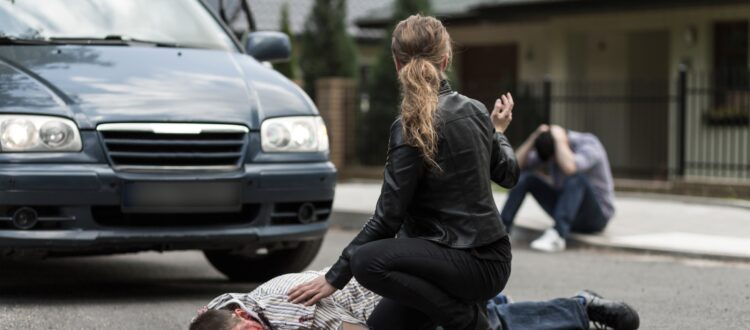
October 8, 2025: Pedestrian Killed in San Jose Crash, Driver Arrested for DUI
San Jose, CA – October 8, 2025
A tragic crash in San Jose resulted in the death of a pedestrian and led to the arrest of a suspected drunk driver. The incident occurred around 9:30 p.m. near the intersection of North 1st Street and East Julian Street. According to the San Jose Police Department, a Ford sedan struck a pedestrian who was crossing the street. The pedestrian, whose identity has not been released, was pronounced dead at the scene.
The driver of the Ford sedan, identified as a 28-year-old male, remained at the scene and cooperated with authorities. Officers suspected the driver was under the influence of alcohol and arrested him on charges of vehicular manslaughter and driving under the influence. The case has been forwarded to the Santa Clara County District Attorney’s Office for review and potential criminal filing.
This incident marks the 28th fatal traffic collision in San Jose in 2025. The community has expressed its grief and support for the victim’s family during this difficult time.

October 12, 2025: Two Killed in Madera Crash Involving Unlicensed Teen Driver
Madera, CA – October 13, 2025
A tragic crash in Madera claimed the lives of two individuals and led to the arrest of an unlicensed teenage driver. The incident occurred around 10:30 p.m. on October 12 at the intersection of Avenue 12 and Road 26. According to the Madera Police Department, the teen driver, operating a vehicle without headlights, ran a stop sign and collided with another car, resulting in the fatal injuries.
The victims, identified as Carlos Gutierrez, 24, and Maria Vasquez, 27, were pronounced dead at the scene. The teenage driver, whose identity has not been released due to their age, was arrested on suspicion of vehicular manslaughter and driving without a license. Authorities are also investigating whether alcohol or drugs played a role in the crash.
The Madera Police Department is urging anyone with information about the incident to come forward as the investigation continues.
October 3, 2025: Two Killed, Two Injured in North Hollywood Crash Involving Parked Cars and Power Pole
North Hollywood, CA – October 3, 2025
A tragic crash in North Hollywood claimed the lives of two young men and left two others hospitalized early Friday morning. The incident occurred around 2:30 a.m. when a vehicle veered off the road and collided with several parked cars before slamming into a power pole near the intersection of Lankershim Boulevard and Magnolia Boulevard.
The Los Angeles County Department of Medical Examiner identified the victims as Jonathan Dicristofaro, 18, who was pronounced dead at the scene, and Jason Ramirez, 19, who succumbed to his injuries at a nearby hospital. Two other individuals in the vehicle were transported to a local hospital with injuries; their conditions have not been disclosed.
Witnesses reported hearing a loud crash followed by a power outage in the area. Emergency responders arrived to find the vehicle extensively damaged, with debris scattered across the intersection. The impact caused a significant power disruption, and utility crews worked throughout the morning to restore electricity.
The cause of the crash remains under investigation by the Los Angeles Police Department. Authorities are examining factors such as speed, possible mechanical failure, and driver impairment. No arrests have been made at this time.
The community has expressed an outpouring of grief and support for the victims’ families. A memorial has been established at the crash site, with friends and neighbors leaving flowers and messages in remembrance.
The LAPD urges anyone with information about the incident to come forward as the investigation continues.
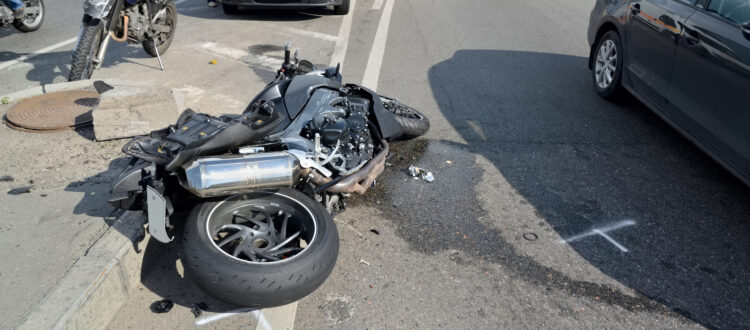
September 4, 2025: Motorcycle-Car Collision on 110 Freeway in South Los Angeles Kills One, Injures Another
A tragic collision on the 110 Freeway in South Los Angeles claimed the life of 35-year-old Jisela Sifuentes and left another person injured on Thursday evening. The crash occurred around 7:30 p.m. near West Florence Avenue and involved a motorcycle and a sedan.
According to the California Highway Patrol, officers arrived to find both vehicles with significant damage and debris scattered across multiple lanes. Emergency responders pronounced Sifuentes dead at the scene, while another individual was transported to a nearby hospital with moderate injuries.
Authorities have not yet confirmed whether Sifuentes was operating the motorcycle or the car at the time of the collision. Preliminary reports suggest speed may have been a factor, though the official cause remains under investigation.
Traffic on the northbound lanes was closed for several hours as investigators documented the scene and cleared the wreckage. Friends and family have since expressed their grief on social media, remembering Sifuentes as a kind and hardworking member of the community.
October 12, 2025: Two Killed, One Injured After High-Speed Pursuit Ends in Fiery Crash on I-580 in San Leandro
A high‐speed pursuit ended in tragedy early this morning on Interstate-580, at the junction near East 14th Street. At approximately 3:40 a.m., California Highway Patrol units attempted to stop a white Mercedes sedan for speeding violations. The driver failed to comply, leading officers on a chase that proceeded westbound into Interstate-238.
Near the exit for East 14th Street, the Mercedes lost control and crashed into a sound wall, killing both the driver and one passenger. A third passenger was critically injured and transported to a local hospital. CHP officers involved in the pursuit also crashed into the sound wall while maneuvering near the scene; they survived but sustained serious injuries.
The investigation is ongoing. CHP has stated that their vehicle did not make contact with the Mercedes immediately before the collision, and the exact cause—whether speed, driver error, or other factors—is still being determined.
Friends and family have begun gathering at makeshift memorials near the crash site, expressing shock at the outcome of what began as a routine traffic stop.

Pedestrian Dies After Being Struck in Downtown Petaluma
Petaluma, CA – July 18, 2025
A 76-year-old local resident, Joel Rossman, tragically died following a vehicle strike earlier this month. The incident occurred at approximately 1:22 p.m. on July 1 on Petaluma Boulevard North near B Street, when a car hit two pedestrians in a crosswalk. While both were initially injured, Rossman succumbed to his injuries at the trauma center on July 18.
The driver remained on scene and fully cooperated with law enforcement. Preliminary investigations indicate neither alcohol nor drug impairment, and the Petaluma Police Department is working with the Sonoma County District Attorney’s Office and coroner on an ongoing inquiry.
A memorial of flowers and candles has been placed near the crash site as friends and neighbors continue to pay their respects.

Driver Killed, Passenger Critically Injured in High-Speed Napa Crash
Napa County, CA – July 12, 2025
A 45-year-old man from Fairfield was killed and his 45-year-old female passenger was critically injured in a high-speed crash on Highway 12 Friday night, according to the California Highway Patrol (CHP).
The pair were driving a Nissan 350Z westbound at approximately 8:45 p.m. near Kirkland Ranch Road when the driver reportedly lost control on a curve. The car struck the center median, became airborne, and rolled several times before landing in an adjacent field. The driver was pronounced dead at the scene, while the passenger was transported to Queen of the Valley Medical Center in serious condition. Both occupants were wearing seatbelts. CHP officials indicated that alcohol may have been a contributing factor; all westbound lanes of the highway were closed temporarily but reopened later that night.

Four Killed in Fiery DUI Crash on 605 Freeway in Norwalk
Norwalk, CA – July 21, 2025
Four people were tragically killed in a fiery, DUI-related crash on the 605 Freeway in Norwalk in the early morning hours of Sunday, July 21, 2025.
The collision occurred just before 1 a.m. south of Rosecrans Avenue, when a Nissan—previously disabled after a separate crash involving a CHP vehicle—was struck from behind by a Kia. The driver of the Kia, identified as 26-year-old Iris Salmeron of Bellflower, was allegedly under the influence of alcohol at the time of the crash.
Upon impact, the Nissan burst into flames, fatally trapping all four occupants inside. Salmeron and a passenger were transported to a local hospital with serious injuries but are reported to be in stable condition. Authorities have since arrested Salmeron on suspicion of multiple DUI-related felonies.
Southbound lanes of the 605 Freeway were closed for nearly 11 hours while first responders extinguished the fire and investigators examined the scene. CHP officials have called the incident “entirely preventable” and are using the tragedy to emphasize the ongoing dangers of impaired driving.

Fatal Rollover Crash in Civic Center, San Francisco
On Friday, June 13, 2025, a Flywheel taxi carrying two individuals—the driver and a passenger—overturned in a solo crash in San Francisco’s Civic Center neighborhood.
The incident occurred around 10:26 a.m. near Van Ness Avenue and Fell Street. Both occupants exited the vehicle before emergency crews arrived, and no major injuries were reported.
Video footage from the Citizen app showed the taxi flipped onto its roof. Authorities are still investigating the cause of the crash, but initial assessments suggest that drugs or alcohol were not involved.
Protester Injured in Hit-and-Run During Downtown LA Rally
On Sunday, June 15, 2025, a “No Kings” protester was struck by a burgundy sedan at 5th and Hill Streets in downtown Los Angeles.
The driver, who had a green light, accelerated despite the protester’s attempt to block the vehicle, running over her leg before fleeing the scene.
The woman, in her early 20s, suffered a lower leg injury and was transported to a local hospital in stable condition. Authorities are treating the incident as a hit-and-run and continue to investigate. The rally was part of a nationwide protest against ICE immigration raids and the Trump administration.

Woman Fatally Pinned by Her Own Car in Grocery Lot – Sacramento, CA
On June 3, 2025, Linda Angelica Tracy, a 36-year-old mother of four from Sacramento, tragically died after being accidentally pinned by her own car in a grocery store parking lot.
At the time of the incident, two of her young children were safely buckled inside the vehicle and remained unharmed.
Tracy, described by her loved ones as kind, loyal, and family-oriented, was a graduate of Sacramento State College and C.K. McClatchy High School. A memorial has been set up at the site of the accident.
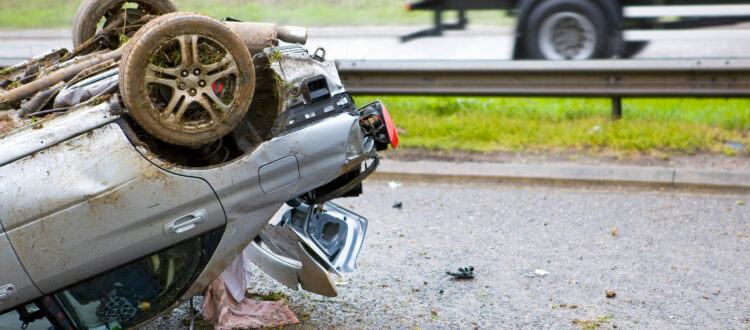
Fatal Rollover Crash in Ventura
On Tuesday, June 10, 2025, a two-vehicle crash in Ventura turned fatal after one of the critically injured individuals later died at the hospital.
The accident involved a silver Lexus SUV and a GMC pickup.
The SUV was traveling eastbound on Loma Vista Avenue and was going through the intersection when it clipped the pickup, causing it to roll over.
The female passenger in the SUV was pulled from the wreckage but later succumbed to her injuries. The Ventura Police Department is investigating the cause of the crash.
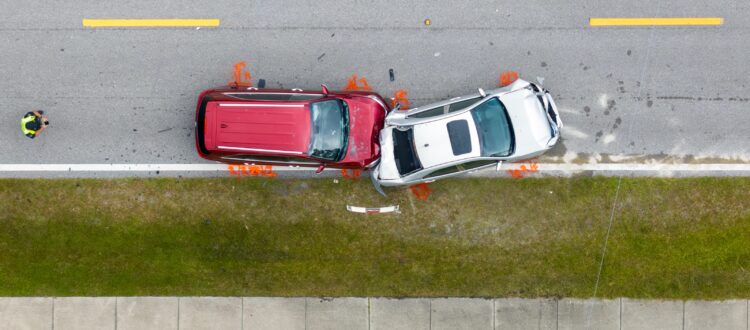
Fatal Crash at Rural Fresno Intersection – Reedley, CA
A two-vehicle crash on June 5th, 2025 killed one driver and critically injured another after a Prius pulled in front of an oncoming car.
The case underscores the risks of rural intersections without stoplights or clear visibility.
Such incidents may point to roadway design flaws, making county or city authorities potential contributors to liability in injury or wrongful death claims.

Inglewood Pedestrians Injured in Car Crash
On June 14, 2025, a car veered onto the curb and struck a group of pedestrians near the Intuit Dome in Inglewood, California, injuring at least 10 people, including a 14-year-old who is in critical condition.
The incident occurred around 10:30 p.m. on Century Boulevard as the group was leaving the CONCACAF Gold Cup soccer match at SoFi Stadium.
The driver, who was also hospitalized, allegedly told authorities he had fallen asleep at the wheel. The Inglewood Police Department is investigating the incident.
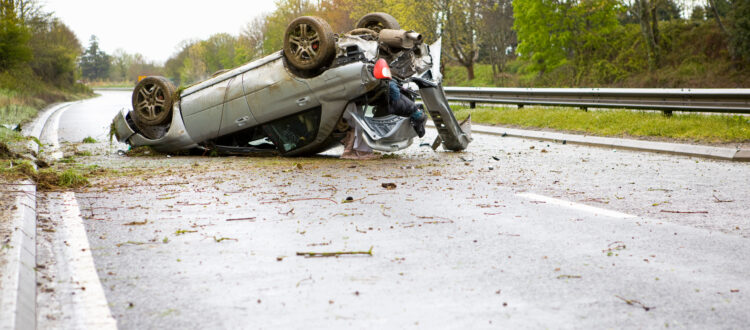
Rollover Crash in San Francisco’s Bayview District
On June 15, 2025, a vehicle overturned at the intersection of Third Street and Paul Avenue in San Francisco’s Bayview neighborhood.
One person was sent to the hospital with non-life-threatening injuries.
The San Francisco Fire Department responded promptly, and all occupants had exited the vehicle within 10 minutes. No other vehicles were involved in the incident.
Authorities are investigating the cause of the crash, noting a recent surge in rollover accidents throughout the city.
Tragic Parking Lot Accident Claims Teen’s Life – Studio City, CA
A 15-year-old student died on June 4 after a parked SUV rolled forward and pinned him between two vehicles at Campbell Hall private school.
His father witnessed the event, adding emotional trauma to an already devastating loss.
This heartbreaking case raises concerns about school parking lot protocols and whether better safety oversight or mechanical safeguards could have prevented it.
Schools may face scrutiny for ensuring campus lots are monitored and risk-aware.
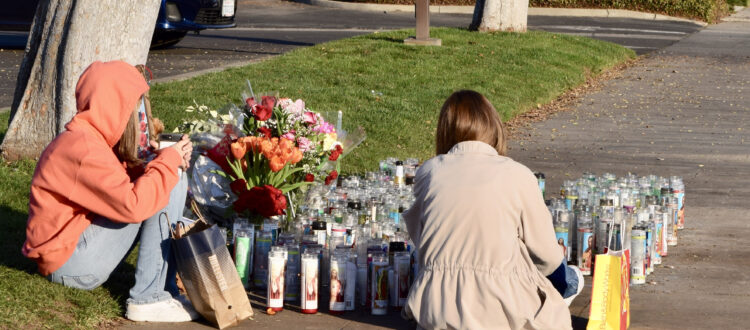
Teen Passenger Dies After Jumping from Moving Car – Bedford, NH
On June 8, a 17-year-old Bedford High School junior tragically died after jumping from a moving car.
While the motive remains unclear, the incident has raised awareness around risky behavior among teen passengers. This case underscores the importance of clear safety rules in vehicles—and potential liability if supervision is lacking.
Families can take preventive action by discussing in-car behavior, while schools and communities might explore education programs to reduce these avoidable tragedies.