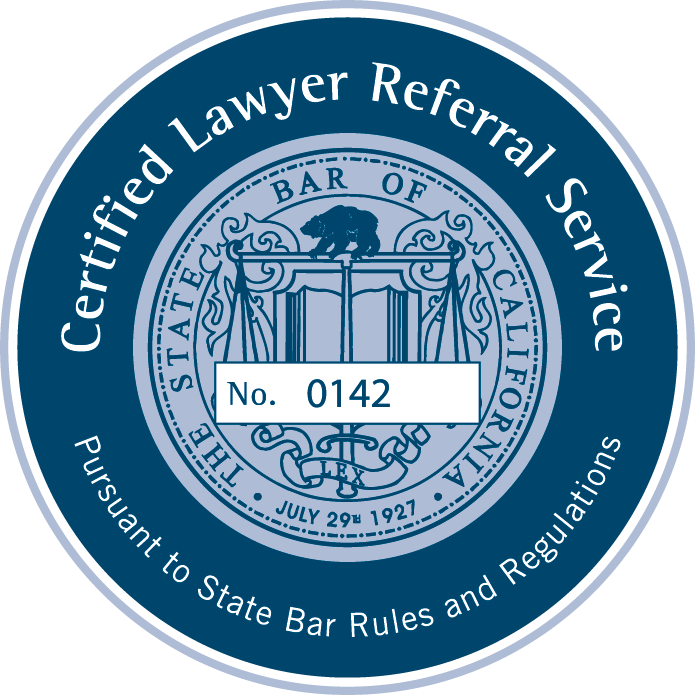


How Can an Attorney Referral Service Help With an Insurance Dispute?
If you are dealing with this issue, you may want to speak with an attorney who can review the policy, the claim decision, the documents, and the timeline. Prime Attorneys can help connect you with attorneys who may be able to review your insurance dispute. Call or contact us for a free consult.
Finding the right starting point can be hard
Insurance disputes can be confusing because they combine paperwork, policy language, deadlines, claim decisions, and financial stress. A person may know the claim was denied or delayed, but not know whether the issue involves coverage, underpayment, bad faith, an appeal, or another problem.
An attorney referral service can help make the first step easier by helping connect consumers with attorneys who may be able to review their situation. Prime Attorneys is not a law firm and does not provide legal advice. Its role is to help consumers connect with attorneys who may review the matter.
What an attorney referral service can help with
A referral service can be useful when you are not sure what kind of lawyer to contact, when the issue overlaps several areas, or when you want help finding an attorney who may review your insurance claim problem.
For insurance disputes, the attorney may want to see the policy, denial letter, claim timeline, communications, and documents supporting the claim.
What to prepare before asking for help
You do not need to know whether your case involves bad faith before requesting a free consult. You should try to gather the basic documents that explain the claim and the insurer’s response.
· Insurance policy and declarations page
· Denial, delay, or offer letter
· Claim number and adjuster information
· Photos, estimates, bills, medical records, or other proof
· Timeline of claim communications
Call or contact Prime Attorneys for a free consult
If your insurance claim was denied, delayed, underpaid, or is difficult to understand, Prime Attorneys can help connect you with attorneys who may be able to review your situation. Call or contact us for a free consult.
FAQ
Yes. If you are unsure, you may want to speak with an attorney who can review the basic facts and documents.
Save the policy, claim decision letters, claim number, supporting documents, communications, and a simple timeline.
No. A consultation is an opportunity for an attorney to review basic information and decide whether they may be able to help.
Related Articles
- What Information Should I Have Ready Before Speaking With an Insurance Lawyer?
- What Questions Should I Ask During a Free Insurance Dispute Consultation?
- How Does an Attorney Referral Service Work?
- What Does It Mean to Be Connected With an Attorney?
- Can an Attorney Referral Service Help If I Am Not Sure Where to Start?
Helpful Sources

What Questions Should I Ask During a Free Insurance Dispute Consultation?
If you are dealing with this issue, you may want to speak with an attorney who can review the policy, the claim decision, the documents, and the timeline. Prime Attorneys can help connect you with attorneys who may be able to review your insurance dispute. Call or contact us for a free consult.
The consultation should help you understand what the attorney needs to review
A free insurance dispute consultation is not something you need to script perfectly. The goal is to explain the claim, provide the key documents, and ask practical questions about the attorney’s review process.
Because insurance issues can involve policy language, claim handling, coverage, value, deadlines, and documents, it helps to ask questions that clarify what matters next.
Questions about the claim and documents
You may want to ask which documents the attorney wants to review first, whether the denial letter explains the insurer’s position clearly, and whether the policy language cited by the insurer is important. You can also ask whether the attorney needs the full policy, claim file, estimates, medical records, or additional correspondence.
Questions about process and communication
It is also reasonable to ask how the attorney communicates, what happens after the consultation, whether there are deadlines you should know about, and how fees or costs are handled if the attorney decides to take the matter.
· What documents should I send first?
· What facts are most important for you to review?
· Are there deadlines I should be aware of?
· What happens after this consultation?
· How do you charge fees or costs for this type of matter?
· How will your office communicate with me?
How Prime Attorneys can help
Prime Attorneys can help connect you with attorneys who may be able to review your insurance dispute. A consultation may help you understand what information is missing and what questions to ask next.
FAQ
Yes. If you are unsure, you may want to speak with an attorney who can review the basic facts and documents.
Save the policy, claim decision letters, claim number, supporting documents, communications, and a simple timeline.
No. A consultation is an opportunity for an attorney to review basic information and decide whether they may be able to help.
Related Articles
- What Information Should I Have Ready Before Speaking With an Insurance Lawyer?
- How Can an Attorney Referral Service Help With an Insurance Dispute?
- What Is an Attorney Referral Service?
- How Does an Attorney Referral Service Work?
- What Does It Mean to Be Connected With an Attorney?
Helpful Sources

What Information Should I Have Ready Before Speaking With an Insurance Lawyer?
If you are dealing with this issue, you may want to speak with an attorney who can review the policy, the claim decision, the documents, and the timeline. Prime Attorneys can help connect you with attorneys who may be able to review your insurance dispute. Call or contact us for a free consult.
A good consultation starts with an organized claim story
You do not need to prepare a legal brief before speaking with an insurance lawyer. The most helpful thing is to organize the claim story so the attorney can understand what happened, what was submitted, how the insurer responded, and what remains disputed.
Insurance disputes are often document-driven. A policy, denial letter, estimate, medical record, or timeline may answer questions that are hard to explain from memory.
Start with the basic claim information
Before the consultation, write down the type of insurance, claim number, date of loss, date the claim was opened, insurer name, adjuster name, and current claim status. If you are not sure of the status, note the last communication you received.
Documents to gather
The exact documents will depend on the type of claim, but these are often useful.
· Insurance policy and declarations page
· Denial, delay, or offer letters
· Claim number and adjuster contact information
· Photos, estimates, invoices, repair records, bills, or medical records
· Proof submitted to the insurer
· Emails, letters, portal messages, and call notes
· A short timeline of the claim
What if you do not have every document?
You can still ask for a consultation if you are missing documents. Tell the attorney what you have and what you do not have. If you know where a document might be located, such as an online portal or email account, mention that during the call.
FAQ
Yes. If you are unsure, you may want to speak with an attorney who can review the basic facts and documents.
Save the policy, claim decision letters, claim number, supporting documents, communications, and a simple timeline.
No. A consultation is an opportunity for an attorney to review basic information and decide whether they may be able to help.
Related Articles
- My Homeowners Insurance Claim Was Denied. What Should I Know?
- My Health Insurance Claim Was Denied. What Should I Know?
- My Disability or Long-Term Care Insurance Claim Was Delayed or Denied
- My Auto Insurance Claim Was Denied After an Accident
- The Insurance Company Is Taking Too Long. What Should I Document?
- The Insurance Company Offered Less Than I Expected
- The Insurance Company Says My Loss Is Not Covered. What Should I Look for in the Letter?
- I Do Not Understand My Insurance Denial Letter. What Terms Matter?
- What Questions Should I Ask During a Free Insurance Dispute Consultation?
- How Can an Attorney Referral Service Help With an Insurance Dispute?
Helpful Sources

What Is the Difference Between an Insurance Dispute and Bad Faith?
If you are dealing with this issue, you may want to speak with an attorney who can review the policy, the claim decision, the documents, and the timeline. Prime Attorneys can help connect you with attorneys who may be able to review your insurance dispute. Call or contact us for a free consult.
Not every insurance disagreement is bad faith
An insurance dispute is a disagreement between a policyholder or claimant and an insurance company. The disagreement may be about whether a loss is covered, how much the claim is worth, whether documents are missing, or what the policy means.
Bad faith is a more specific legal concept. People often use the phrase when they feel an insurer acted unfairly, but whether conduct may raise a bad faith question depends on the facts, policy, claim history, and applicable law.
Why the distinction matters
Calling something bad faith too early can be misleading. A claim may be disputed for reasons that are legitimate, mistaken, unclear, or potentially improper. An attorney may need to look at the full timeline and claim file before forming a view.
What facts may matter
An attorney may look at how the insurer investigated the claim, what reasons it gave, whether it communicated clearly, what documents were requested, how long the process took, and whether the decision matched the policy and facts.
· Policy language and exclusions
· The denial, delay, or offer letter
· Adjuster communications
· Documents submitted to the insurer
· Timeline of the claim
· Any inconsistent explanations from the insurer
How a free consult may help
A free consult can help you ask whether your issue is mainly a coverage dispute, valuation dispute, delay, underpayment, or possible bad faith question. Prime Attorneys can help connect you with attorneys who may be able to review the situation.
FAQ
Yes. If you are unsure, you may want to speak with an attorney who can review the basic facts and documents.
Save the policy, claim decision letters, claim number, supporting documents, communications, and a simple timeline.
No. A consultation is an opportunity for an attorney to review basic information and decide whether they may be able to help.
Related Articles
- My Insurance Claim Was Denied. What Should I Check First?
- The Insurance Company Is Taking Too Long. What Should I Document?
- The Insurance Company Offered Less Than I Expected
- I Do Not Understand My Insurance Denial Letter. What Terms Matter?
- What Information Should I Have Ready Before Speaking With an Insurance Lawyer?
- What Questions Should I Ask During a Free Insurance Dispute Consultation?
- How Can an Attorney Referral Service Help With an Insurance Dispute?
Helpful Sources

I Do Not Understand My Insurance Denial Letter. What Terms Matter?
If you are dealing with this issue, you may want to speak with an attorney who can review the policy, the claim decision, the documents, and the timeline. Prime Attorneys can help connect you with attorneys who may be able to review your insurance dispute. Call or contact us for a free consult.
Insurance denial letters can be hard to read
Insurance denial letters often use policy language, claim terms, and legal-sounding phrases that are difficult to understand. A letter may mention exclusions, limitations, conditions, deductibles, proof of loss, medical necessity, investigation, reservation of rights, or lack of coverage.
You do not need to become an insurance expert before asking for help. But it can be useful to identify the words the insurer relies on and save the policy sections the letter cites.
Terms that often matter
Some common terms can change the meaning of the denial. An “exclusion” usually refers to something the policy says is not covered. A “condition” may describe something the policyholder must do. “Policy limits” may cap the amount payable. “Deductible” refers to the amount the policyholder may have to pay before coverage applies.
The denial letter may also refer to “medical necessity,” “preauthorization,” “wear and tear,” “pre-existing damage,” “late notice,” or “insufficient documentation,” depending on the type of claim.
What to gather before a free consult
If a denial letter is confusing, organize the letter and policy before the call.
· The denial letter
· The policy pages cited in the letter
· The declarations page
· Any attachments or claim forms
· Your notes about what you do not understand
· All follow-up letters, emails, or portal messages
How a free consult may help
An attorney may review the denial letter, policy language, and claim facts. The consultation may help identify whether the dispute is about coverage, documents, value, timing, or the insurer’s handling of the claim.
FAQ
Yes. If you are unsure, you may want to speak with an attorney who can review the basic facts and documents.
Save the policy, claim decision letters, claim number, supporting documents, communications, and a simple timeline.
No. A consultation is an opportunity for an attorney to review basic information and decide whether they may be able to help.
Related Articles
- What Is the Difference Between an Insurance Dispute and Bad Faith?
- What Information Should I Have Ready Before Speaking With an Insurance Lawyer?
- What Questions Should I Ask During a Free Insurance Dispute Consultation?
- How Can an Attorney Referral Service Help With an Insurance Dispute?
Helpful Sources

The Insurance Company Says My Loss Is Not Covered. What Should I Look for in the Letter?
If you are dealing with this issue, you may want to speak with an attorney who can review the policy, the claim decision, the documents, and the timeline. Prime Attorneys can help connect you with attorneys who may be able to review your insurance dispute. Call or contact us for a free consult.
A coverage denial usually points back to the policy
When an insurance company says a loss is not covered, the letter may cite policy definitions, exclusions, conditions, or limitations. The exact language matters. A denial based on “not covered” is not the same as a denial based on missing documents or low valuation.
Before a consultation, save the denial letter and the full policy. If the insurer cited a section number, highlight or bookmark that section.
Look for the insurer’s reason
A coverage letter may say the event is excluded, the damage happened outside the policy period, the policyholder did not meet a condition, the claimed item is not included, or the evidence does not support coverage. The attorney may need to compare that reason with the facts and policy language.
What to gather before a free consult
Coverage disputes are usually easier to review when the policy and facts are together.
· The denial or coverage-position letter
· The full policy, declarations page, and endorsements
· Photos, estimates, invoices, records, or bills
· Proof of when the loss happened
· All insurer communications about coverage
· A short timeline of what happened and when
How a free consult may help
A consultation may help determine what policy language and facts an attorney would want to review. Prime Attorneys can help connect you with attorneys who may be able to review insurance coverage disputes.
FAQ
Yes. If you are unsure, you may want to speak with an attorney who can review the basic facts and documents.
Save the policy, claim decision letters, claim number, supporting documents, communications, and a simple timeline.
No. A consultation is an opportunity for an attorney to review basic information and decide whether they may be able to help.
Related Articles
- My Homeowners Insurance Claim Was Denied. What Should I Know?
- The Insurance Company Offered Less Than I Expected
- I Do Not Understand My Insurance Denial Letter. What Terms Matter?
- What Is the Difference Between an Insurance Dispute and Bad Faith?
- What Information Should I Have Ready Before Speaking With an Insurance Lawyer?
- What Questions Should I Ask During a Free Insurance Dispute Consultation?
- How Can an Attorney Referral Service Help With an Insurance Dispute?
Helpful Sources

The Insurance Company Offered Less Than I Expected
If you are dealing with this issue, you may want to speak with an attorney who can review the policy, the claim decision, the documents, and the timeline. Prime Attorneys can help connect you with attorneys who may be able to review your insurance dispute. Call or contact us for a free consult.
A low offer is different from a complete denial
Sometimes the insurance company does not deny the claim but offers less than the policyholder expected. That can happen in property, auto, health, disability, or other insurance claims. The disagreement may be about value, documentation, policy limits, deductibles, exclusions, medical necessity, or what the insurer believes is covered.
A low offer does not automatically mean the insurer acted improperly. But it may be worth reviewing if the explanation is unclear, important documents were ignored, or the offer does not seem to match the policy and evidence.
Compare the offer with the records
Start with the insurer’s written explanation. Then compare it with the policy, the estimate, the bills, the photos, the medical records, or other proof supporting the claim. If there are competing estimates, save both.
What to gather before a free consult
The consultation will be easier if the attorney can see both sides of the valuation issue.
· The insurer’s offer letter
· The policy and declarations page
· Your estimate, invoice, bill, or proof of loss
· The insurer’s estimate or explanation
· Photos, records, or supporting documents
· A timeline of negotiations and communications
How a free consult may help
An attorney may review whether the dispute is about coverage, value, documentation, policy limits, or claim handling. The attorney may also ask whether there are deadlines to respond or appeal.
FAQ
Yes. If you are unsure, you may want to speak with an attorney who can review the basic facts and documents.
Save the policy, claim decision letters, claim number, supporting documents, communications, and a simple timeline.
No. A consultation is an opportunity for an attorney to review basic information and decide whether they may be able to help.
Related Articles
- My Homeowners Insurance Claim Was Denied. What Should I Know?
- The Insurance Company Is Taking Too Long. What Should I Document?
- The Insurance Company Says My Loss Is Not Covered. What Should I Look for in the Letter?
- I Do Not Understand My Insurance Denial Letter. What Terms Matter?
- What Is the Difference Between an Insurance Dispute and Bad Faith?
- What Information Should I Have Ready Before Speaking With an Insurance Lawyer?
- What Questions Should I Ask During a Free Insurance Dispute Consultation?
- How Can an Attorney Referral Service Help With an Insurance Dispute?
Helpful Sources

The Insurance Company Is Taking Too Long. What Should I Document?
If you are dealing with this issue, you may want to speak with an attorney who can review the policy, the claim decision, the documents, and the timeline. Prime Attorneys can help connect you with attorneys who may be able to review your insurance dispute. Call or contact us for a free consult.
Delay can be difficult because silence creates uncertainty
When an insurance company takes a long time to respond, the problem may be hard to evaluate. Sometimes the insurer is investigating, waiting for documents, reviewing estimates, or requesting records. Other times, the delay may feel unreasonable or unexplained.
The safest way to prepare is to document the timeline. That does not prove the insurer did anything wrong, but it gives an attorney something concrete to review.
Create a simple claim timeline
Write down when the claim was opened, when documents were submitted, when the insurer responded, and what was requested. If there were phone calls, note the date, the person you spoke with, and what was said.
What to gather before a free consult
A clear timeline can make a delayed claim easier to understand.
· Claim number and date opened
· Every letter or email from the insurer
· Dates you submitted documents
· Requests for more information
· Names of adjusters or representatives
· Call notes and portal messages
· Any missed deadlines or promised response dates
How a free consult may help
An attorney may review the policy, the claim timeline, the insurer’s requests, and your responses. The consultation may help clarify whether more documents are needed or whether the delay raises legal questions.
FAQ
Yes. If you are unsure, you may want to speak with an attorney who can review the basic facts and documents.
Save the policy, claim decision letters, claim number, supporting documents, communications, and a simple timeline.
No. A consultation is an opportunity for an attorney to review basic information and decide whether they may be able to help.
Related Articles
- My Insurance Claim Was Denied. What Should I Check First?
- My Disability or Long-Term Care Insurance Claim Was Delayed or Denied
- The Insurance Company Says My Loss Is Not Covered. What Should I Look for in the Letter?
- I Do Not Understand My Insurance Denial Letter. What Terms Matter?
- What Is the Difference Between an Insurance Dispute and Bad Faith?
- What Information Should I Have Ready Before Speaking With an Insurance Lawyer?
- What Questions Should I Ask During a Free Insurance Dispute Consultation?
- How Can an Attorney Referral Service Help With an Insurance Dispute?
Helpful Sources

My Auto Insurance Claim Was Denied After an Accident
If you are dealing with this issue, you may want to speak with an attorney who can review the policy, the claim decision, the documents, and the timeline. Prime Attorneys can help connect you with attorneys who may be able to review your insurance dispute. Call or contact us for a free consult.
Auto insurance denials can involve coverage, fault, or documentation
After an accident, an auto insurance claim may be denied for several reasons. The insurer may dispute fault, say the policy does not cover the loss, question the amount of damage, claim documentation is missing, or rely on an exclusion.
If your auto insurance claim was denied, save the denial letter and compare it with the policy, the accident facts, and the documents you submitted.
Accident records may matter
Auto claim disputes often depend on what happened at the scene, what was reported afterward, and what the insurer reviewed. Photos, repair estimates, police reports, witness information, and communications with the adjuster may help an attorney understand the issue.
What to gather before a free consult
Organize the claim file around the accident date and the insurer’s stated reason for denial.
· The auto policy and declarations page
· The denial letter or claim decision
· Police or collision report, if available
· Photos and videos of vehicles and scene
· Repair estimates and invoices
· Medical records if injuries are part of the dispute
· Emails, letters, and call notes with insurers
How a free consult may help
A consultation may help identify whether the dispute is about coverage, fault, damages, valuation, uninsured motorist coverage, or claim handling. The attorney may ask for documents before deciding whether they can review the matter further.
FAQ
Yes. If you are unsure, you may want to speak with an attorney who can review the basic facts and documents.
Save the policy, claim decision letters, claim number, supporting documents, communications, and a simple timeline.
No. A consultation is an opportunity for an attorney to review basic information and decide whether they may be able to help.
Related Articles
- Accident and Injury Questions: What to Save Before Speaking With a Lawyer
- I Was in a Car Accident. What Information Should I Save?
- The Insurance Company Called Me After an Accident. What Should I Know Before Talking?
- The Other Driver Does Not Have Insurance. What Should I Ask About?
- The Insurance Company Wants a Recorded Statement After an Accident
- I May Have Been Partly at Fault for an Accident. What Should I Ask During a Free Consult?
- What Happens During a Free Consultation After an Accident?
- What Information Should I Have Ready Before Speaking With an Insurance Lawyer?
- What Questions Should I Ask During a Free Insurance Dispute Consultation?
- How Can an Attorney Referral Service Help With an Insurance Dispute?
Helpful Sources

My Disability or Long-Term Care Insurance Claim Was Delayed or Denied
If you are dealing with this issue, you may want to speak with an attorney who can review the policy, the claim decision, the documents, and the timeline. Prime Attorneys can help connect you with attorneys who may be able to review your insurance dispute. Call or contact us for a free consult.
Disability and long-term care claims often turn on definitions and records
Disability and long-term care insurance disputes can be especially stressful because the claim may affect income, care, or daily support. A delay or denial may involve policy definitions, medical records, proof of disability, care needs, waiting periods, benefit triggers, or continuing documentation.
Because these policies can be detailed, it is important to save both the policy and the insurer’s letters. A denial may depend on the insurer’s view of medical records, care needs, eligibility, or whether policy requirements were met.
Track the timeline carefully
For disability or long-term care claims, timing can matter. Write down when the claim was submitted, what the insurer requested, when records were sent, and when the insurer responded. If the company keeps asking for more information, save each request and your response.
What to gather before a free consult
A consultation may be more useful if the attorney can see the policy, claim decision, and medical documentation.
· The disability or long-term care policy
· The denial or delay letters
· Claim forms submitted to the insurer
· Medical records and provider statements
· Care assessments or facility records, if applicable
· A timeline of insurer requests and responses
How an attorney may review the issue
An attorney may look at the policy definitions, the insurer’s stated reason, the medical or care records, and the history of the claim. The goal of the consultation is to understand what facts and documents may matter.
FAQ
Yes. If you are unsure, you may want to speak with an attorney who can review the basic facts and documents.
Save the policy, claim decision letters, claim number, supporting documents, communications, and a simple timeline.
No. A consultation is an opportunity for an attorney to review basic information and decide whether they may be able to help.
Related Articles
- My Insurance Claim Was Denied. What Should I Check First?
- My Health Insurance Claim Was Denied. What Should I Know?
- The Insurance Company Is Taking Too Long. What Should I Document?
- I Do Not Understand My Insurance Denial Letter. What Terms Matter?
- What Information Should I Have Ready Before Speaking With an Insurance Lawyer?
- What Questions Should I Ask During a Free Insurance Dispute Consultation?
- How Can an Attorney Referral Service Help With an Insurance Dispute?
- What Is the Difference Between an Insurance Dispute and Bad Faith?
Helpful Sources

My Health Insurance Claim Was Denied. What Should I Know?
If you are dealing with this issue, you may want to speak with an attorney who can review the policy, the claim decision, the documents, and the timeline. Prime Attorneys can help connect you with attorneys who may be able to review your insurance dispute. Call or contact us for a free consult.
Health insurance denials can involve different review processes
A health insurance denial may involve medical necessity, authorization, out-of-network care, experimental or investigational treatment, emergency treatment, policy terms, or missing documentation. The process may also depend on what kind of health coverage you have.
In California, some health insurance products are regulated by the California Department of Insurance, while many health plans are regulated by the Department of Managed Health Care. That distinction can matter for complaints, appeals, and independent review options.
Start with the denial reason
The denial letter may explain whether the insurer or health plan denied payment, denied authorization, changed the requested service, delayed the request, or said the treatment was not medically necessary. Save the exact wording.
Also gather any appeal or grievance forms, provider letters, medical records, and written communications between you, the provider, and the insurer or health plan.
What to gather before a free consult
Health claim disputes can be easier to review when the medical and insurance records are in one place.
· The denial letter or explanation of benefits
· The insurance card and policy or plan documents
· Provider recommendation letters
· Medical records connected to the denied service
· Appeal or grievance documents
· Any deadline listed by the insurer or health plan
How a free consult may help
An attorney may review the denial reason, policy or plan language, medical records, appeal history, and deadlines. The consultation may help you understand what information is still missing and whether the issue is one an attorney may be able to review.
FAQ
Yes. If you are unsure, you may want to speak with an attorney who can review the basic facts and documents.
Save the policy, claim decision letters, claim number, supporting documents, communications, and a simple timeline.
No. A consultation is an opportunity for an attorney to review basic information and decide whether they may be able to help.
Related Articles
- My Disability or Long-Term Care Insurance Claim Was Delayed or Denied
- What Information Should I Have Ready Before Speaking With an Insurance Lawyer?
- What Questions Should I Ask During a Free Insurance Dispute Consultation?
- How Can an Attorney Referral Service Help With an Insurance Dispute?
- I Do Not Understand My Insurance Denial Letter. What Terms Matter?
Helpful Sources

My Homeowners Insurance Claim Was Denied. What Should I Know?
If you are dealing with this issue, you may want to speak with an attorney who can review the policy, the claim decision, the documents, and the timeline. Prime Attorneys can help connect you with attorneys who may be able to review your insurance dispute. Call or contact us for a free consult.
Homeowners insurance disputes are often document-heavy
A homeowners insurance dispute may involve property damage, repair estimates, inspections, photos, temporary living expenses, policy exclusions, or disagreement over the amount of loss. If your claim was denied, the denial letter and the policy are the first documents to organize.
The insurer may say the loss is excluded, the damage is below the deductible, the damage was pre-existing, the documentation is incomplete, or the policy does not cover the type of event. Each reason should be reviewed against the policy and the facts.
Photos and estimates can matter
Property claims are often easier to understand when there is visual and written documentation. Photos, videos, contractor estimates, invoices, inspection reports, and repair records can help show what happened and what was submitted to the insurer.
If repairs have already started, try to save before-and-after photos, receipts, and communications with contractors or adjusters.
What to gather before a free consult
You do not need to have a perfect claim file, but a few documents can make the conversation clearer.
· The homeowners policy and declarations page
· The denial letter or claim decision
· Photos and videos of the damage
· Repair estimates, contractor reports, and invoices
· Inspection reports or adjuster notes if available
· Emails, letters, portal messages, and call notes with the insurer
How a free consult may help
A consultation may help you understand what parts of the claim an attorney would want to review. The lawyer may ask about the date of loss, cause of damage, inspections, estimates, policy language, and the insurer’s stated reason for denial.
FAQ
Yes. If you are unsure, you may want to speak with an attorney who can review the basic facts and documents.
Save the policy, claim decision letters, claim number, supporting documents, communications, and a simple timeline.
No. A consultation is an opportunity for an attorney to review basic information and decide whether they may be able to help.
Related Articles
- The Insurance Company Is Taking Too Long. What Should I Document?
- The Insurance Company Offered Less Than I Expected
- The Insurance Company Says My Loss Is Not Covered. What Should I Look for in the Letter?
- What Information Should I Have Ready Before Speaking With an Insurance Lawyer?
- What Questions Should I Ask During a Free Insurance Dispute Consultation?
- How Can an Attorney Referral Service Help With an Insurance Dispute?
- I Do Not Understand My Insurance Denial Letter. What Terms Matter?
- What Is the Difference Between an Insurance Dispute and Bad Faith?
Helpful Sources

My Insurance Claim Was Denied. What Should I Check First?
If you are dealing with this issue, you may want to speak with an attorney who can review the policy, the claim decision, the documents, and the timeline. Prime Attorneys can help connect you with attorneys who may be able to review your insurance dispute. Call or contact us for a free consult.
A denial letter is the starting point
When an insurance claim is denied, the first thing to review is the insurer’s written explanation. The denial letter may identify the policy provisions, exclusions, deadlines, missing documents, or factual reasons the company relied on.
It can be tempting to focus only on the word “denied.” But the details inside the letter often matter more than the conclusion. Before speaking with a lawyer, try to understand exactly what reason the insurer gave and what documents it says were missing or insufficient.
The policy language matters
Insurance disputes often turn on the words of the policy. The declarations page, coverage sections, exclusions, endorsements, and claim conditions may all matter. If the insurer cited a specific policy section, save that section and the full policy if you have it.
Do not assume the insurer is right or wrong based only on the denial. An attorney may need to compare the stated reason with the policy, the facts, and the claim file.
What to gather before a free consult
A free consultation will usually be more useful if you can explain what was claimed, when it was submitted, how the insurer responded, and what documents are available.
· The denial letter
· The full policy and declarations page
· The claim number and adjuster information
· Proof submitted with the claim
· Photos, estimates, invoices, or records connected to the loss
· A timeline of communications with the insurer
How an attorney may review the issue
An attorney may look at whether the denial is based on policy language, missing documentation, a factual disagreement, a valuation issue, or the insurer’s handling of the claim. The attorney may also ask whether there are internal appeal deadlines, regulatory complaint options, or other steps to consider.
FAQ
Yes. If you are unsure, you may want to speak with an attorney who can review the basic facts and documents.
Save the policy, claim decision letters, claim number, supporting documents, communications, and a simple timeline.
No. A consultation is an opportunity for an attorney to review basic information and decide whether they may be able to help.
Related Articles
- The Insurance Company Says My Loss Is Not Covered. What Should I Look for in the Letter?
- What Information Should I Have Ready Before Speaking With an Insurance Lawyer?
- What Questions Should I Ask During a Free Insurance Dispute Consultation?
- How Can an Attorney Referral Service Help With an Insurance Dispute?
Helpful Sources

Insurance Claim Problems: Denials, Delays, Underpayments, and Bad Faith Questions
Insurance claim problems can be hard to understand
An insurance claim problem often starts with a letter, a phone call, or silence. A person may receive a denial letter, wait weeks for an answer, get an offer that seems too low, or be told that a loss is not covered. In that moment, the problem may feel financial, practical, and legal all at once.
If you are dealing with a denied, delayed, underpaid, or disputed insurance claim, it may help to speak with an insurance lawyer who can review the policy, claim history, communications, and facts. Prime Attorneys can help connect you with attorneys who may be able to review your insurance dispute. Call or contact us for a free consult.
Why the policy and the claim file matter
Insurance disputes usually depend on the policy language, the reason given by the insurer, the documents submitted with the claim, and the way the claim was handled. A denial may be based on an exclusion, a missed deadline, lack of documentation, disputed value, coverage limits, medical necessity, or the insurer’s interpretation of what happened.
Before speaking with an attorney, try to gather the policy, the denial letter or claim decision, any estimates or bills, photos, medical or repair records if relevant, and the timeline of communications with the insurer. Those materials can help an attorney understand the disagreement more quickly.
What “bad faith” means in general terms
People often use the phrase “bad faith” when an insurance company acts unfairly. Legally, however, not every disagreement with an insurer is automatically a bad faith issue. A dispute may be about coverage, value, documents, deadlines, policy language, claim investigation, or the insurer’s conduct.
Because bad faith questions can be fact-specific, this article does not decide whether an insurer acted improperly. It is better to think of “bad faith” as a question an attorney may review after looking at the policy, claim file, correspondence, and timeline.
Common insurance claim problems
The most common insurance claim problems involve denied claims, delayed claims, low offers, requests for more information, claim closures, and confusing denial letters. Some disputes involve homeowners insurance, auto insurance, health insurance, disability insurance, long-term care insurance, or other coverage.
The type of insurance matters because the documents, procedures, regulators, and appeal options may differ. For example, a health-plan denial may involve an internal appeal or independent medical review process, while a property claim may involve estimates, inspections, photos, and policy exclusions.
Information that may be helpful to gather
A short, organized file can make a free consultation more useful. You do not need to prepare a legal argument. The goal is to make the claim history easy to follow.
· The insurance policy and declarations page
· The denial letter or claim decision
· The claim number and adjuster contact information
· Photos, estimates, invoices, bills, or medical records, depending on the claim
· Emails, letters, portal messages, and call notes
· A timeline showing when the claim was opened, what was submitted, and how the insurer responded
How Prime Attorneys can help
If you are unsure whether your insurance problem is a coverage dispute, underpayment issue, delay, denial, or possible bad faith question, you may want to speak with an attorney who can review the facts. Prime Attorneys can help connect you with attorneys who may be able to review your situation.
FAQ
Start with the denial letter, the policy language cited by the insurer, the claim number, the date of the decision, and any deadlines listed in the letter.
No. Some insurance disputes involve coverage, value, documentation, or timing without necessarily becoming a bad faith issue. An attorney may be able to review the facts and policy language.
The policy, denial letter, claim file documents, estimates, bills, photos, medical records if relevant, and written communications with the insurer may be useful.
Prime Attorneys can help connect you with attorneys who may be able to review an insurance claim problem. Call or contact us for a free consult.
Related Articles
- My Homeowners Insurance Claim Was Denied. What Should I Know?
- My Health Insurance Claim Was Denied. What Should I Know?
- My Auto Insurance Claim Was Denied After an Accident
- What Questions Should I Ask During a Free Insurance Dispute Consultation?
- How Can an Attorney Referral Service Help With an Insurance Dispute?
- I Do Not Understand My Insurance Denial Letter. What Terms Matter?